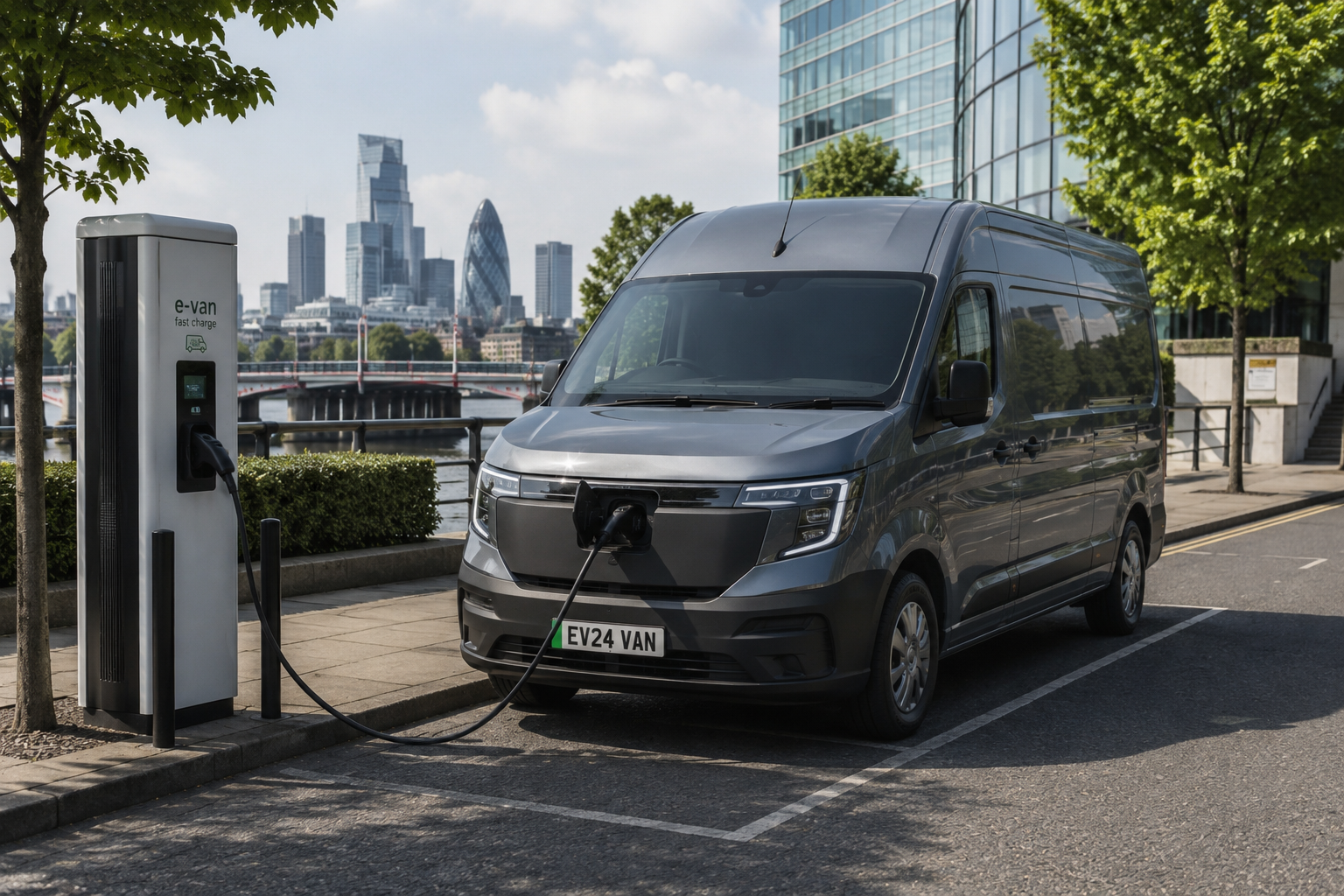
Van insurance provides financial protection if a van causes damage or injury or is affected by events such as theft, fire or accidental damage. Anyone using a van on UK public roads must have at least third party cover by law. Policies are commonly used by tradespeople, couriers and businesses, as well as private individuals using a van for non-commercial purposes. Cover requirements depend on how the vehicle is used.
Van insurance generally includes third party only, third party fire and theft, and comprehensive cover. Each level offers different protection depending on the risks included within the policy. Comprehensive cover typically protects against a wider range of insured events, although the exact scope depends on the insurer’s policy wording and acceptance criteria.
Some policies may include cover for tools or business equipment kept in the van, although limits and conditions usually apply. Insurers may require evidence of secure storage or approved locks in order for cover to apply. Tool cover may be included automatically or offered as an optional feature. Checking the policy wording helps confirm whether business equipment is protected.
Depending on the insurance company and policy, breakdown recovery may be included in van insurance policies. However, the level of assistance varies according to policy wording and eligibility requirements.
For example, Motor Vision Insurance policies all include roadside breakdown recovery as standard and clients can add on additional protection, such as home start, if required. All subject to insurer terms and conditions.
Private use generally refers to personal activities such as moving household items or travelling for leisure purposes. Business use may include transporting tools, equipment or goods in connection with work activities. The type of use declared affects the risk assessment and policy terms offered by the insurer. Providing accurate usage information helps ensure the policy remains valid.
Many insurers allow additional drivers to be added, subject to licence checks and underwriting acceptance. Each driver’s age, driving history and intended usage may influence the premium and eligibility for cover. Named driver arrangements must reflect the primary user of the van to ensure compliance with policy conditions.
Digital quotation systems can allow customers to enter vehicle and driver details in a structured format and receive a price based on the information provided. Online journeys can reduce paperwork and allow policy documents to be issued electronically. Motor Vision Insurance offers a digital-first process designed for customers who prefer to arrange cover efficiently using an app or browser.
Transporting goods in exchange for payment is often classed as hire and reward use, which usually requires a specific type of policy. Standard business use cover may not include this activity. Insurers assess hire and reward risk differently due to increased mileage and exposure. Selecting the correct usage category helps ensure cover applies when carrying goods commercially.
Premiums are calculated based on factors such as driver experience, location, type of van, annual mileage and intended usage. Security features, overnight parking arrangements and claims history may also affect pricing. Each insurer applies its own risk assessment approach when calculating premiums, which can result in variations between quotes.
Insurance documentation is commonly issued electronically, allowing policyholders to store and retrieve certificates and schedules online. Digital document access can reduce reliance on paper copies and make it easier to locate important information when needed. Motor Vision Insurance provides access to policy documents through a secure online account available at any time.
The start date for van insurance is usually chosen during the application process, subject to insurer approval. Many providers can offer cover from the same day if all required information is supplied accurately. This can be helpful when a van is needed for work or transport at short notice. Motor Vision Insurance offers flexible start dates through its online and app insurance account system, helping customers arrange cover efficiently without paper administration.