
What Counts as a Classic Car for Insurance Purposes?
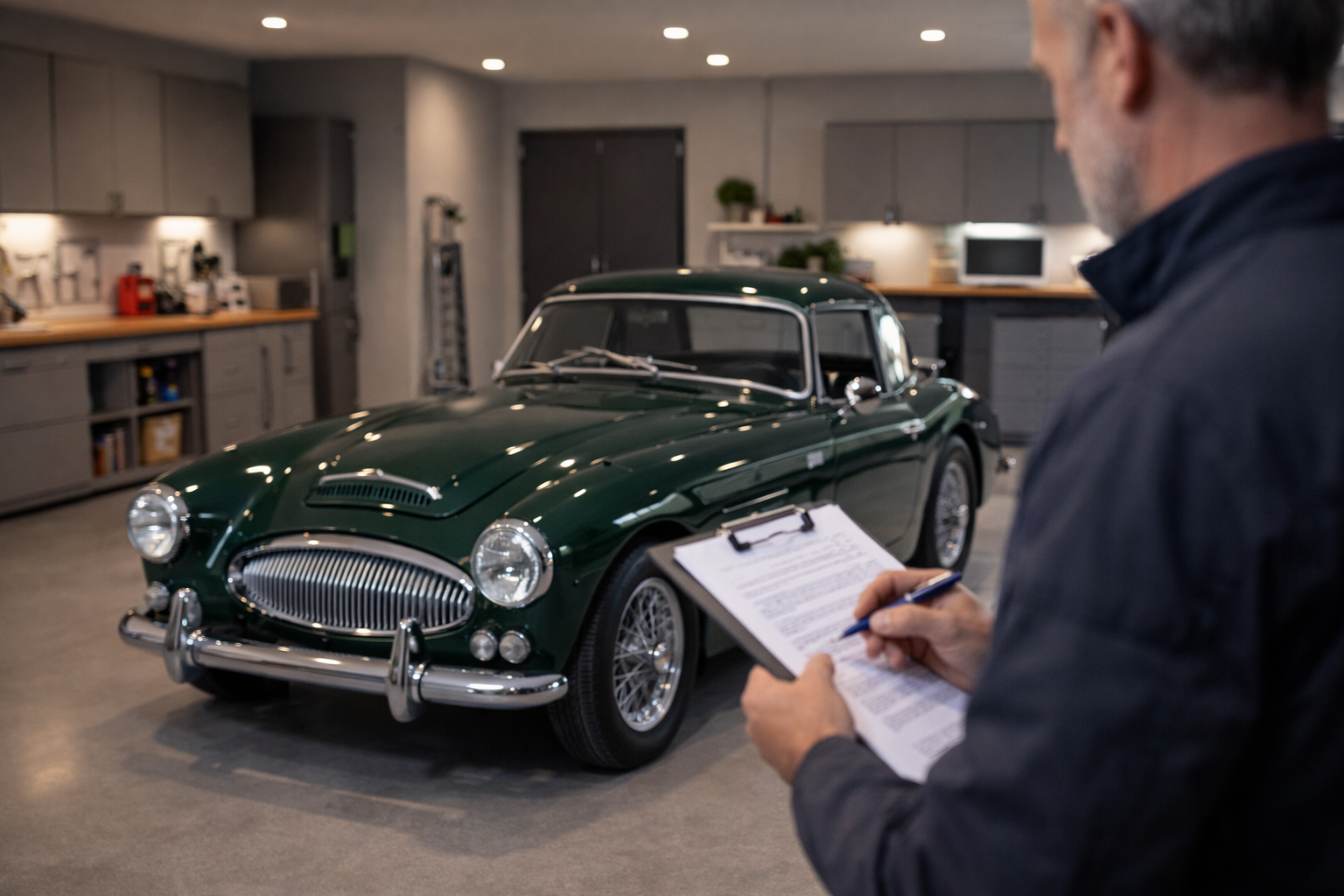
Classic Car Insurance: How Do Insurers Decide What Qualifies?
At Motor-Vision, we often speak with owners who feel their vehicle deserves to be treated as a classic. And in many cases, that passion is well-founded — especially for those who take pride in keeping an older car in outstanding condition.
But when it comes to classic car insurance, the definition isn’t based purely on enthusiasm or appearance. Insurers assess classic eligibility using a combination of practical factors, from the vehicle’s age and value to how it’s stored, maintained, and — crucially — how it’s driven.
A car may be admired, rare, or cherished, but it still may not meet the requirements for specialist cover if it remains part of everyday motoring.
So rather than asking: “Is my car a classic?”
The better question is: “Would an insurer view my car as suitable for a classic policy?”
That distinction is essential for anyone looking to access the specialist benefits and pricing that classic insurance can provide.
Is your vehicle old enough to be considered for classic cover?
Many vehicles reach the fifteen or twenty-year mark, which is often used as a broad starting point by insurers. It also reflects HMRC’s minimum age guidance for classic classification.
However, reaching that age does not automatically make a car eligible for classic insurance.
Insurers also look for signs that the vehicle has become more than just an older car — that it has entered a stage where it is collectible, enthusiast-owned, and no longer relied upon for day-to-day transport.
Plenty of cars may be “getting on a bit” but are still depreciating, widely available, and used routinely. A car might feel like a classic to its owner, but if it’s still doing the commute or school run, insurers may not agree.
Which brings us to the key consideration.
Does how you use the car affect insurance eligibility?
Yes. Usage is one of the biggest factors insurers consider.
Classic policies are generally designed for vehicles that are driven occasionally and carefully, rather than used as everyday transport. Insurers typically expect classic cars to be:
taken out for leisure journeys
stored securely when not in use
maintained by owners with enthusiast care
driven to events, shows, or club meetings
They are usually not intended for frequent commuting, high annual mileage, or year-round daily driving.
Once a vehicle becomes something enjoyed rather than depended upon, its risk profile changes significantly — and insurers can then offer more specialist terms.
At Motor-Vision, we also understand that not every enthusiast keeps their car just for weekends. Many owners want to drive their classics more regularly, and that doesn’t necessarily mean specialist cover isn’t possible.
Even if your vehicle falls outside the limits of a traditional classic scheme, tailored insurance options may still be available.
Why Is agreed value so important for classic policies?
One of the standout features of classic car insurance is agreed value — but it’s typically offered only when a car genuinely qualifies as a classic.
With standard motor insurance, claim payments are based on market value at the time of loss. For classic vehicles, that can be unreliable, as values are often shaped by collector trends, restoration quality, and rarity.
Without agreed value, an owner could lose the car and receive a settlement that doesn’t reflect what it’s really worth — or what’s been invested in preserving it.
Agreed value eliminates this uncertainty. Insurer and owner work together to establish a fair figure using photographs, history, club support, and comparable sales evidence. Once approved, that value becomes the guaranteed payout if the vehicle is written off or stolen.
Because newer cars remain subject to everyday depreciation, they rarely qualify for this form of protection.
Do insurers consider the driver as part of classic cover?
Very much so. Eligibility isn’t only about the car; insurers also assess the driver and ownership habits.
Classic policyholders tend to represent a lower-risk group. Insurers often favour drivers who:
cover limited annual mileage
keep the vehicle stored securely
own another car for daily travel
treat the classic as a hobby rather than transport
Industry claims experience supports this profile: classic owners generally have fewer accidents and claims, allowing insurers to provide specialist benefits such as laid-up cover, mileage-based pricing, and protection for rare parts.
Premiums can often be competitive compared to standard motor insurance, although this always depends on the vehicle and driver circumstances.
What other factors can help a car qualify as a classic?
Alongside age and usage, insurers may also look at broader indicators that a vehicle has moved into the classic category, such as:
enthusiast ownership or club involvement
restoration work or originality
limited production or increasing rarity
growing collector interest
stable or rising market values
The classic car market continues to evolve. Recent reports have shown a slight easing in overall collector pricing as higher interest rates reduced speculative activity.
Yet the strongest examples still climb. Models like the 1971 Lamborghini Miura SV have reportedly increased by more than 30 percent in value over the past year, highlighting how scarcity and heritage continue to drive demand.
For insurers, these trends reinforce a key point: classic policies are designed for vehicles that are preserved, not simply ageing.
So, would your car Be accepted for classic insurance?
Classic cars remain hugely popular across the UK, but insurers don’t define them purely by age.
The deciding factors are usually care, purpose, rarity, and usage. A vehicle becomes eligible for classic cover when it is maintained as something special — not simply kept running as daily transport.
Specialist features such as agreed value and tailored protection follow once the insurer recognises the vehicle as distinct from everyday motoring.
Many cars will reach “classic age” over time — but they often need to leave their working life behind before they qualify for a traditional classic policy.
And if you drive your classic more often…
At Motor-Vision, we know classic cars aren’t always limited to weekend outings. Many enthusiasts want to enjoy their vehicles more regularly, even throughout the week.
If your car’s usage doesn’t fit within a standard classic insurance policy, we can still help explore specialist solutions designed for more frequent classic driving.
Get a quote online today, and we’ll help find cover that matches both your car and how you use it.
