
Classic Car Tax Exemption 2026: What You Need to Know
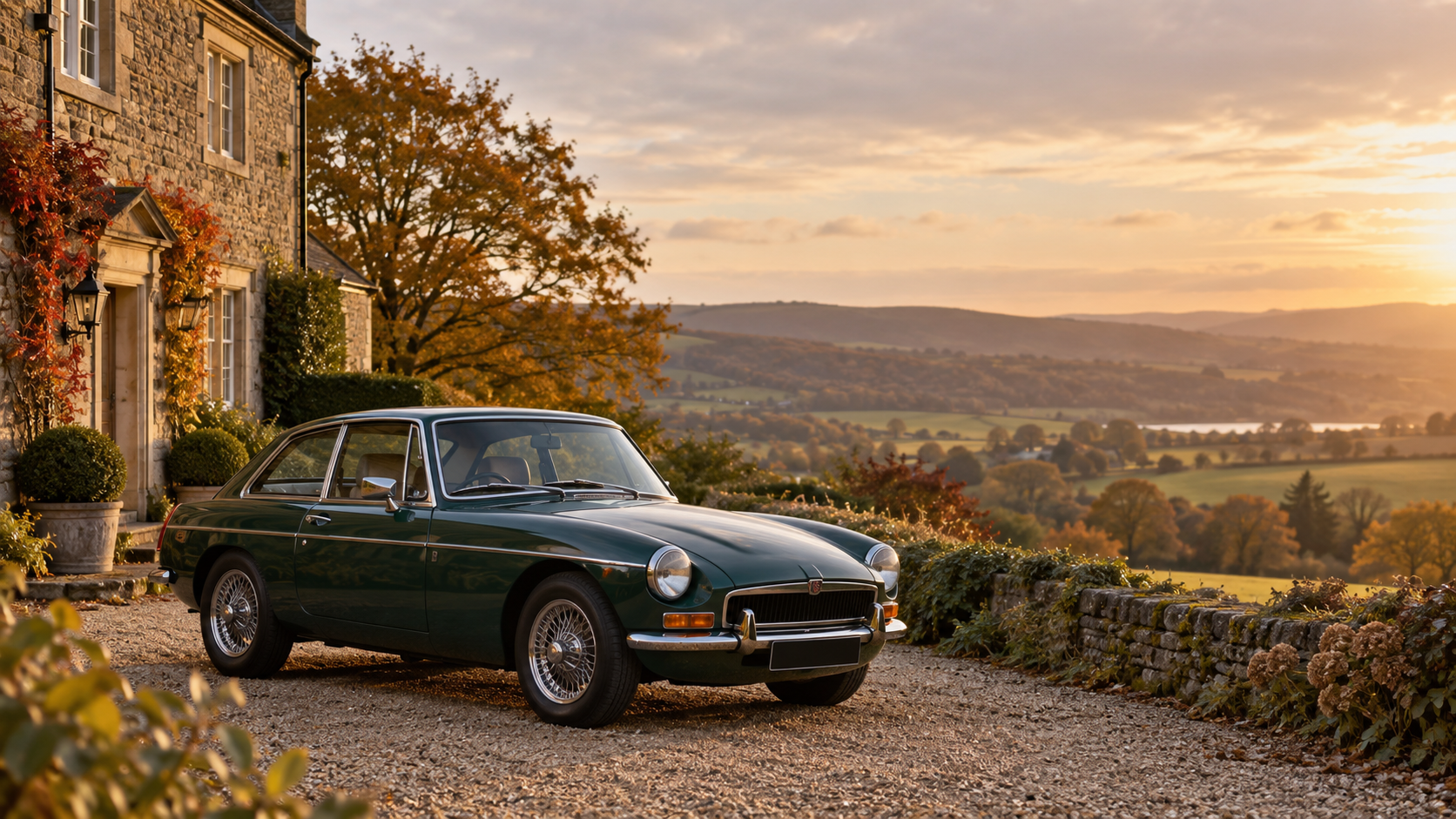
Own a car built in 1985? Here's Your Mid-Tax Year Reminder.
Since 1 April 2026, qualifying vehicles built in 1985 have been eligible for £0 annual vehicle tax. As we approach the halfway point of the tax year, it's worth checking whether your car qualifies, particularly if you haven't yet applied for historic status.
The exemption isn't automatic, and reaching the qualifying age doesn't necessarily mean your car is MOT-exempt. There are separate rules to consider, particularly if your classic has been modified.
Whether you've recently bought an older car or have owned your classic for years, here's a reminder of who's eligible, how to apply and what you need to know to keep your vehicle legally on the road.
Is your car eligible for £0 vehicle tax?
The historic vehicle tax exemption operates on a rolling 40-year basis.
For the 2026/27 tax year, vehicles manufactured before 1 January 1986 can qualify for the exemption.
If the manufacturing date is unknown, vehicles first registered before 8 January 1986 may also qualify.
Once your vehicle has been moved into the historic tax class, the amount payable becomes £0.
The exemption isn't exclusive to cars. Qualifying motorcycles, vans and certain other vehicles are also included.
However, not every older vehicle is eligible.
Vehicles used for hire or reward, such as taxis carrying paying passengers, or commercially for a trade or business are excluded under the standard rules.
If your vehicle was built in 1985, check its details against the official eligibility criteria before applying.
Do you need to apply for historic vehicle tax?
Yes. The DVLA won't automatically change your vehicle's tax class when it reaches the qualifying age.
You'll need to apply to have your vehicle moved into the historic tax class.
Importantly, you must continue to tax your vehicle even when the amount payable becomes £0.
Don't simply cancel your existing vehicle tax and assume the exemption has taken effect.
If you intend to use your vehicle while the application is being processed, it must remain correctly taxed.
How to apply for £0 historic vehicle tax
The initial application must be made at a Post Office branch that handles vehicle tax.
Before visiting, make sure you have the appropriate documents.
Application checklist
What you'll need
Your V5C log book, registered in your name.
Your V11 vehicle tax reminder, if available.
Evidence of a valid MOT if your vehicle requires one.
A completed V112 declaration if your vehicle is MOT-exempt.
If you don't have a V5C, you'll need to complete a V62 application for a replacement log book. A £25 fee applies.
Once you've submitted the application, the Post Office will send your V5C to the DVLA.
The DVLA will issue an updated log book showing the historic tax class and process any refund of previously paid tax that you're entitled to.
If an expected refund hasn't arrived within six weeks of receiving your updated V5C, GOV.UK advises contacting the DVLA.
For full instructions, visit the official GOV.UK historic vehicle tax application page .
Does your classic still need an MOT?
Not necessarily, but vehicle tax exemption and MOT exemption are separate.
In England, Scotland and Wales, a vehicle can generally qualify for MOT exemption when it meets two conditions:
It was built or first registered more than 40 years ago.
It hasn't undergone substantial changes during the previous 30 years.
You don't need to make a separate application simply to stop having annual MOT tests, but you must declare that your vehicle meets the criteria when taxing it.
Northern Ireland has separate testing requirements, so check the rules applicable to your vehicle if it's registered there.
If your vehicle doesn't qualify for MOT exemption, it must continue to have a valid MOT when legally required.
What if your car has been modified?
This is where the rules require a little more attention.
A car's age alone doesn't establish that it qualifies for MOT exemption.
Substantial changes made during the previous 30 years can affect eligibility.
The Department for Transport considers alterations to major components, including the chassis, bodyshell, axles, running gear, suspension, steering and engine.
However, not every modification is automatically classed as substantial.
The guidance includes certain permitted alterations, such as appropriate replacement components and qualifying changes made to preserve a vehicle or improve safety, efficiency or environmental performance.
If your car has been modified, particularly if you're unsure about changes made by previous owners, check the official guidance before declaring it MOT-exempt.
The Department for Transport makes clear that owners who cannot confirm their vehicle meets the exemption criteria must not claim MOT exemption.
You can check the full historic vehicle MOT exemption criteria on the GOV.UK website.
What if you're planning further modifications?
If you intend to modify your classic, remember that certain changes must be reported to the DVLA.
Changes affecting details recorded on the V5C, such as replacing an engine, may need to be registered.
The DVLA's updated August 2026 guidance also specifies that an MOT must be provided when notifying it of modifications to vehicles over 40 years old.
Check the applicable requirements before carrying out major changes.
MOT-exempt? Your car still needs to be roadworthy.
An MOT exemption doesn't remove your responsibility to keep your vehicle safe.
Regardless of its age, a car must be roadworthy whenever it's used on public roads.
Driving a vehicle in a dangerous condition can result in a fine of up to £2,500 and three penalty points.
This is particularly important for older vehicles that spend extended periods off the road.
Tyres, brakes, steering, suspension and other safety-critical components can deteriorate through age and inactivity.
Regular maintenance and appropriate checks remain important, even if your classic covers relatively few miles.
Can you still get a voluntary MOT?
Yes.
You can choose to continue having MOT tests even when your vehicle qualifies for exemption.
A voluntary MOT provides an independent assessment of the vehicle's condition at the time of testing.
However, it doesn't replace ongoing maintenance or guarantee that a vehicle will remain roadworthy throughout the year.
Does historic status change your car insurance?
Becoming eligible for historic vehicle tax doesn't remove the need for appropriate insurance when driving your car on public roads.
It's also worth reviewing your cover if anything about your vehicle or how you use it has changed.
For example, changes to your annual mileage, modifications or storage arrangements may need to be disclosed to your insurer.
If you're uncertain whether your policy details remain accurate, contact your insurer or broker.
Motor-Vision offers online car insurance quotes and allows customers to manage their policies through their Insurance Account.
If you're reviewing your insurance, check that the policy you choose is suitable for your vehicle, particularly if it's a classic or has been modified.
Classic Car Tax Sorted? Check Your Insurance Too.
If your car has recently qualified for historic vehicle tax exemption, it's a good opportunity to review your insurance. Explore Motor-Vision's car insurance options online and check that the cover available meets your needs.
