
What Can Invalidate Your Motor Insurance?
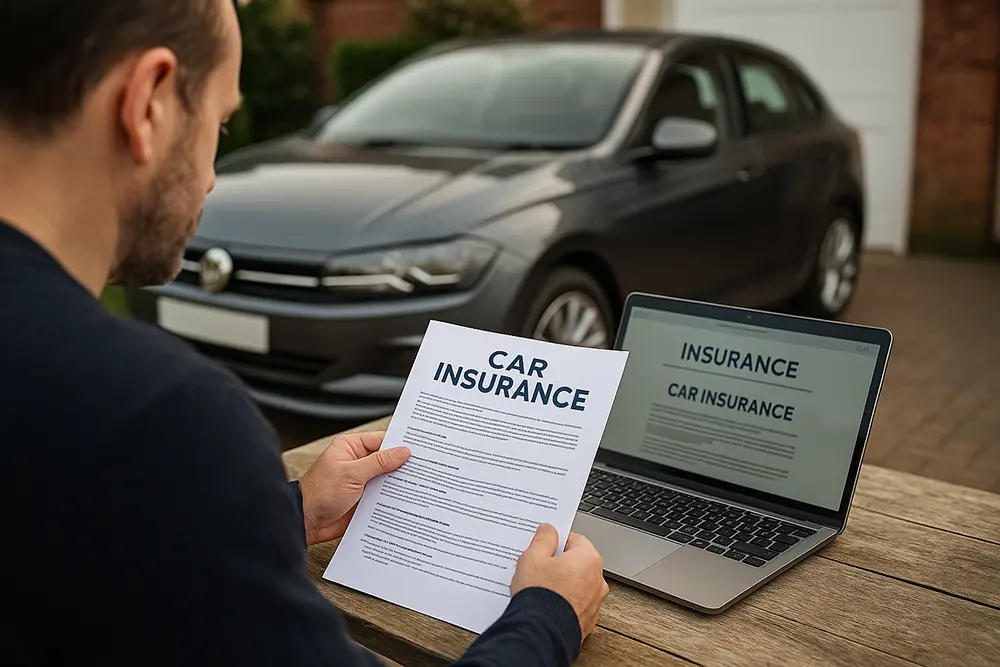
You arrange your insurance, pay your premium and expect your cover to be there if you need to make a claim. But problems can arise if the information on your policy is incorrect, your circumstances have changed or your vehicle is being used differently from when the policy was arranged.
That does not mean every mistake automatically invalidates your insurance. Depending on what has happened and the terms of your policy, an insurer could reduce or decline a claim, amend your cover or, in more serious cases, cancel or void the policy.
Here are some of the common issues to look out for.
1. Providing inaccurate information
The details you provide when arranging insurance help an insurer decide whether it can cover you and on what terms.
You should take reasonable care to answer questions accurately and completely.
Problems can arise if, for example, you:
Fail to declare relevant driving convictions or previous claims when asked
Provide an incorrect address
Give inaccurate information about how the vehicle will be used
Incorrectly identify the main driver
Fail to declare modifications when required
A genuine mistake is not necessarily treated in the same way as deliberately providing false information. The outcome will depend on the circumstances and what the insurer would have done if it had been given the correct details.
2. Having the wrong class of use
How you use your vehicle can affect the cover you need.
A policy covering social, domestic and pleasure use may not include commuting, while commuting cover does not necessarily include business journeys, travelling between workplaces or making deliveries.
If your circumstances change, check that your class of use still reflects how you actually drive.
This could be particularly important if you:
Start commuting by car
Change workplace
Begin travelling between different work locations
Start using your vehicle for business purposes
Begin delivery or courier work
Do not assume a journey is covered simply because you are using your own vehicle.
3. Fronting
Fronting happens when someone is named as the main driver of a vehicle when another person is actually its principal user, usually in an attempt to reduce the insurance premium.
A common example is a parent being listed as the main driver of a vehicle that is mainly driven by their son or daughter.
Fronting is a form of insurance fraud and can have serious consequences, including a claim being declined or the policy being treated as invalid.
Always make sure the genuine main driver is correctly identified.
4. Failing to declare vehicle modifications
If your vehicle has been changed from the manufacturer's standard specification, your insurer may need to know.
Modifications can include more than major performance upgrades. Depending on the insurer and policy, they might include:
Alloy wheels
Tinted windows
Suspension changes
Exhaust upgrades
Engine tuning or remapping
Body kits or spoilers
Lighting changes
Interior modifications
Changes can affect factors such as vehicle value, performance, repair costs and theft risk.
If you are unsure whether something counts as a modification, check before making the change.
5. Not updating important policy details
Some changes during the policy term may need to be reported to your insurer.
Depending on your policy, these could include:
Moving home
Changing vehicle
Changing how the vehicle is used
Adding or removing drivers
Making vehicle modifications
New penalty points, motoring convictions or other changes to your driving licence
Notification requirements vary between insurers, so check your policy documents to see which changes you need to report and when.
6. Changes to your occupation or working arrangements
Your occupation can be one of the factors insurers consider when assessing risk.
If you change jobs, become self-employed or significantly change the type of work you do, check whether your insurer needs to be told.
A new job could also change other information on your policy, such as:
Your annual mileage
Your usual commute
Where the vehicle is kept
Whether you need business use
It is important that your policy continues to reflect how the vehicle is actually being used.
7. Underestimating your annual mileage
Your annual mileage does not have to be exact, but it should be a realistic estimate.
If you originally expected to drive around 5,000 miles during the year but changes to work, commuting or personal circumstances mean you are now likely to drive considerably more, check whether your insurer needs to know.
Your previous MOT records, service history and current odometer reading can help you estimate your typical mileage.
8. Failing to follow policy conditions
Motor insurance policies contain conditions, exclusions and requirements that can affect whether a particular claim is covered.
These might relate to:
Vehicle security
Keys
Approved drivers
Where the vehicle is kept
Telematics devices, where applicable
Modifications
Reporting accidents, thefts or losses
Do not assume that comprehensive insurance automatically covers every possible situation. Always check the terms that apply to your particular policy.
9. Leaving your vehicle insecure
The circumstances surrounding a theft can also affect a claim.
Leaving your vehicle unlocked, leaving the keys inside or failing to follow specific security requirements could potentially affect the cover available.
For keyless vehicles in particular, it is also worth taking sensible precautions and checking whether your policy includes any specific requirements relating to keys, immobilisers, trackers or other security devices.
Does a mistake automatically invalidate your insurance?
No.
If incorrect information comes to light, what happens next will depend on the nature of the mistake and the terms of the policy.
It can matter whether the information was provided carelessly or deliberately and whether the insurer would have:
Offered the same cover
Charged a different premium
Applied different terms
Declined to provide cover
Depending on the circumstances, a claim could be reduced or declined. More serious cases involving deliberate or reckless misrepresentation can have greater consequences.
Check your policy before you need to make a claim
The best time to correct inaccurate information is before something happens.
If you have recently moved, changed jobs, altered your annual mileage, modified your vehicle or started using it differently, check that your insurance details still reflect your current circumstances.
If you are unsure whether something needs to be reported, check your policy documents or speak to your insurer or broker.
It is much better to clarify something now than discover after an accident, theft or other loss that your cover is not what you expected.
Looking for motor insurance?
Motor-Vision Insurance offers cover for a range of vehicles and motorists, including standard, specialist and enthusiast vehicles.
Whatever you drive, it is important that your insurance reflects your vehicle, your circumstances and how you actually use it.
Find out more about Motor-Vision Insurance.
Insurance cover, terms, conditions, exclusions and notification requirements vary by insurer and policy. Always check your policy documentation and contact your insurer or broker if you are unsure whether a change needs to be declared.
