
The Truth About Road Accidents: It’s Not the Technology We Should Fear
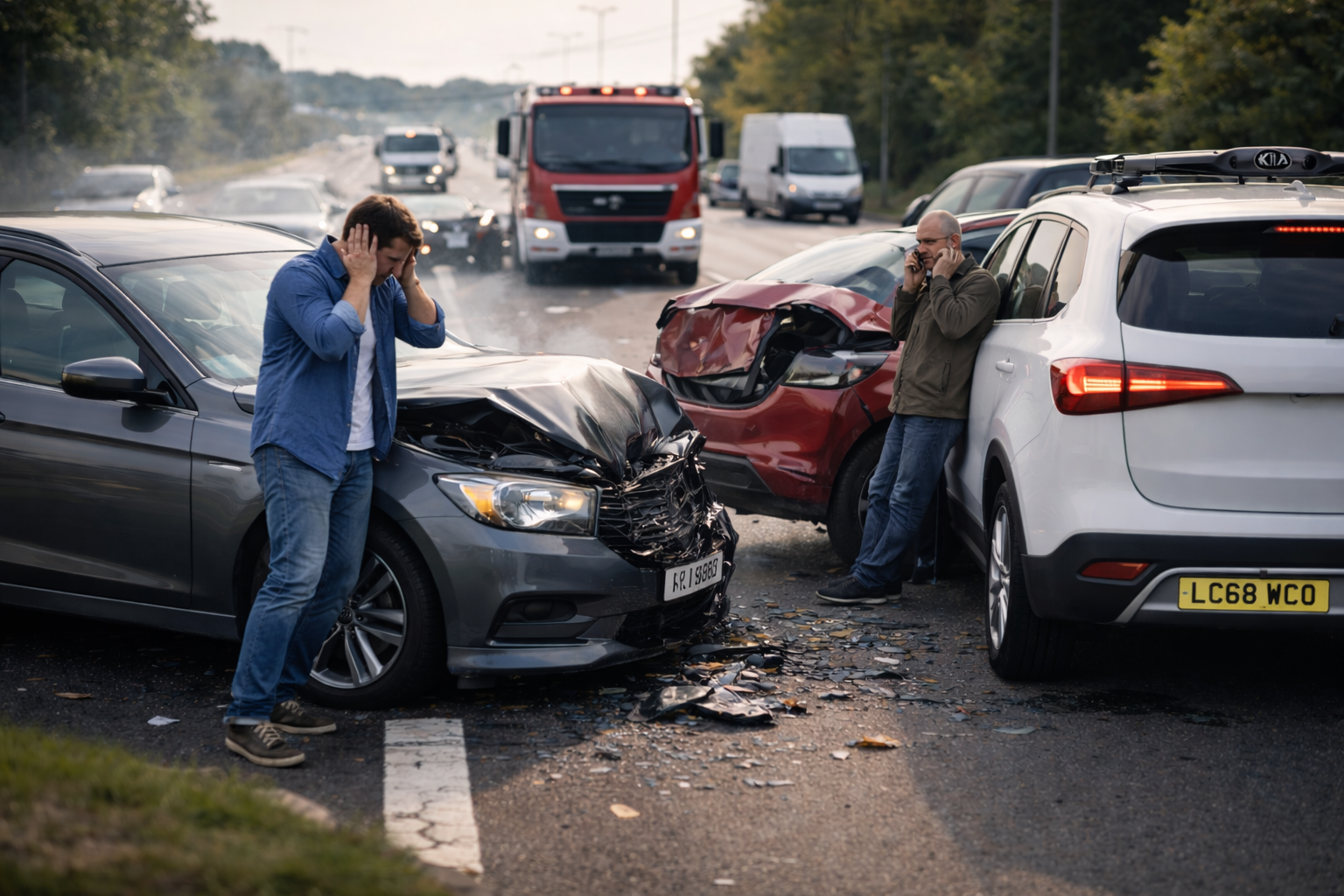
Human Error: The Biggest Risk on UK Roads
With more vehicles now equipped with advanced driver-assistance systems, public attention often turns to whether technology can be trusted. Yet accident statistics consistently highlight a different issue, human behaviour remains the dominant factor in road collisions.
Despite improvements in vehicle design, most accidents are linked to decision-making, reaction time and awareness rather than technical faults.
The Evidence Behind Human Error
Transport safety studies show that roughly 90–94% of accidents involve some form of driver error. These findings span multiple countries and driving environments.
Autonomous systems are not perfect, but they operate without fatigue, emotional influence or distraction, characteristics that frequently undermine human driving performance.
The Key Behavioural Triggers
Research repeatedly identifies four major contributors:
Routine-Driven Inattention: Drivers on familiar routes often reduce observation, increasing risk when conditions change.
Distraction: Even brief attention shifts, from phones, navigation systems or passengers, significantly raise collision risk.
Fatigue: Tired drivers experience reduced judgement and slower responses, particularly during night or long-distance travel.
Emotional Pressure: Stress and impatience can lead to unsafe overtaking, braking or speed choices.
Everyday Risks That Can Be Reduced
While automation develops, drivers can still reduce risk by addressing common causes such as:
Poor hazard observation
Driving too fast for conditions
Impairment from alcohol, drugs or medication
Panic-induced loss of control
Advanced systems increasingly assist with braking, lane discipline and hazard detection, helping offset these risks.
Looking Ahead
The move toward greater automation aims to reduce the impact of human limitations rather than replace drivers entirely. For now, awareness, responsibility and suitable insurance remain essential.
At Motor-Vision, we monitor these trends closely to support drivers as vehicles, and road safety expectations, continue to evolve.
