
Parking Fines: New Rules to Protect UK Drivers
Parking Fines in 2027: New Rules Every Driver Should Know
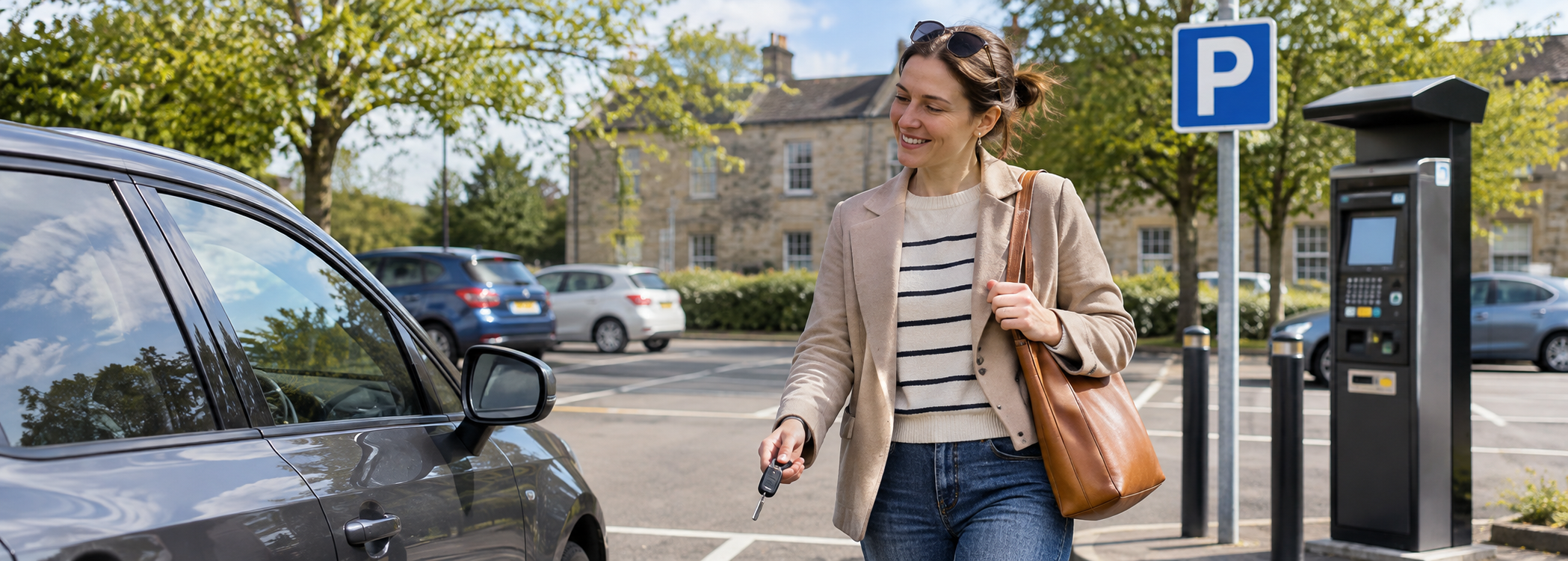
Ever rushed back to your car, realised your parking ticket expired a few minutes ago and wondered whether an expensive charge was heading your way?
It's a familiar frustration for UK drivers. Whether you're running late after shopping, struggling with a payment machine or simply taking longer than expected to leave, even a small parking mistake can sometimes cost you £100.
But changes are coming.
The Government has introduced a new Private Parking Code of Practice, designed to make parking enforcement fairer, give motorists more time and provide stronger protection against unreasonable charges.
With almost 17 million private parking charges issued across the UK in the previous year, according to Government figures highlighted in October 2026, the reforms could affect millions of drivers.
So, what's changing, and what does it mean for you?
Why Are Private Parking Rules Being Updated?
Private parking companies operate car parks at supermarkets, retail parks, shopping centres and many other locations across Britain.
Their role is to manage parking spaces, prevent misuse and ensure facilities remain available for legitimate customers.
However, concerns about unfair charges and inconsistent enforcement have led the Government to introduce clearer national standards.
The new Code aims to distinguish between drivers who deliberately ignore parking restrictions and those who make genuine mistakes or experience unavoidable delays.
It will apply to private parking operators across England, Scotland and Wales, introducing clearer requirements for enforcement, appeals and customer protection.
Five Minutes to Check the Parking Conditions
Imagine driving into an unfamiliar car park, searching for a space and discovering that the parking charges are higher than you expected.
Under the new rules, motorists will generally have at least five minutes to decide whether to stay or leave.
This is known as the consideration period.
It gives drivers time to find a space, read the signs and understand the parking conditions before deciding whether to accept them.
Some larger car parks will have to allow more time. For example, car parks with 500 or more spaces offering at least 30 minutes of free parking will have a minimum ten-minute consideration period.
Certain pre-booked parking facilities may be exempt where drivers have already received the terms and conditions when booking.
Remember, this isn't simply an extra five minutes of free parking. The consideration period ends once you've accepted the parking conditions, which may happen before the full period has passed.
A Ten-Minute Grace Period After Your Parking Expires
Running a few minutes late could soon become less of a worry.
Under the new Code, private parking operators will generally have to allow drivers a minimum ten-minute grace period after their permitted parking time ends.
Let's say you've paid to park until 4pm but don't manage to leave until 4.08pm.
Provided you've followed the other parking conditions, you shouldn't receive a parking charge simply for those additional eight minutes.
Grace periods already exist under industry rules, but the Government wants to make the minimum requirements more consistent and enforceable.
There are exceptions, though.
Designated short-stay car parks offering parking periods of less than 30 minutes won't be required to provide the ten-minute grace period.
It's also worth remembering that you can't automatically combine the consideration period and grace period to extend your parking time.
Made a Parking Mistake? You Could Have More Protection
We've all had those moments when we're in a hurry and accidentally enter the wrong registration number into a parking machine.
Perhaps you've used your partner's registration, entered the details of your previous car or simply pressed the wrong button.
The new Code introduces clearer rules to protect drivers from disproportionate charges for certain genuine errors.
For example, if you've paid for parking but accidentally entered the registration of another vehicle you own, your charge could be reduced to £20 following a successful first-stage appeal.
Similar protections may apply if you:
Forget to display a valid parking permit but can prove you held one.
Fail to enter your registration into a terminal despite being authorised to park.
Pay using the registration number of a different vehicle.
Minor typing errors, such as entering the letter O instead of the number 0, should result in cancellation on appeal where the relevant conditions are met and reliable evidence is provided.
These protections don't cover every possible mistake. The circumstances must meet the requirements of the Code's Appeals Charter.
What If Something Stops You Leaving on Time?
Not every parking delay can be avoided.
Your vehicle might refuse to start, an unexpected medical emergency could occur, or you might find yourself stuck in a queue of cars trying to leave.
Under the new rules, parking companies must cancel charges on appeal where drivers provide reliable evidence of certain qualifying circumstances.
These include:
Vehicle breakdowns: Your car develops a fault that prevents you from leaving.
Medical emergencies: Certain medical incidents or unavoidable medical delays affect your departure.
Payment problems: A parking machine fails and there's no reasonable alternative way to pay.
Traffic congestion: Queues inside the car park prevent you from leaving within your permitted time.
Operator errors: The parking company fails to comply with certain requirements of the Code.
The aim is straightforward: drivers shouldn't be unfairly penalised for circumstances they couldn't reasonably prevent.
How Much Can You Be Charged for Private Parking?
Despite the changes, the maximum private parking charge will remain at £100.
However, the new Code also requires parking operators to offer a minimum 40% discount when a charge is paid within 14 days of the notice being issued.
That means a £100 parking charge would be reduced to £60 if paid within the qualifying period.
These discounts already feature in existing industry rules, but the new Code will bring them into the national standards.
Importantly, receiving a £100 charge doesn't automatically mean it's justified or enforceable.
You may still have grounds to challenge it depending on the parking conditions and what happened.
Parking Companies Will Face Greater Scrutiny
The changes aren't just about giving motorists additional time.
The Government also wants private parking operators to be more accountable for how they issue charges and deal with appeals.
A new independent Scrutiny and Oversight Board will examine parking enforcement and appeals information to help identify problems and encourage improvements.
Operators will also need to meet the Code's requirements to maintain access to registered vehicle keeper information held by the DVLA.
Companies that fail to comply could lose access to this information, making it significantly harder to pursue unpaid parking charges.
These measures are intended to create a fairer and more transparent system for everyone using privately managed car parks.
When Do the New Parking Rules Start?
The Private Parking Code of Practice was laid before Parliament on 20 October 2026, beginning a 40-day scrutiny period.
If there are no parliamentary objections, the Government expects to issue the Code on 30 November 2026.
It is then expected to come into force 21 calendar days later, giving a provisional commencement date of 21 December 2026.
However, some requirements may be subject to transitional enforcement arrangements, and the details have not yet been confirmed.
Until the new Code takes effect, drivers should continue to follow existing parking conditions and use the current appeals procedures if they believe they've been charged unfairly.
Are Private Parking Charges the Same as Council Parking Fines?
Not quite, and the difference matters.
Private parking charges are generally issued by companies managing privately owned land, including supermarket car parks and retail parks.
They're normally based on the parking terms and conditions displayed at the location.
Council Penalty Charge Notices (PCNs) are issued under separate legislation and follow different enforcement and appeals procedures.
The new Private Parking Code of Practice applies to private parking operators in England, Scotland and Wales, rather than ordinary council-controlled parking enforcement.
Before challenging a charge, it's important to establish who issued it and which rules apply.
How to Appeal an Unfair Parking Charge
If you've received a parking charge that doesn't seem right, don't assume you have no choice but to pay it.
There are several steps you can take.
1. Check the parking charge notice
Look carefully at the date, time, location, registration number and reason for the charge. Check whether the details are correct.
2. Gather your evidence
Keep parking receipts, payment confirmations, photographs of signs and any documents that support your explanation.
3. Appeal directly to the parking company
Explain why you believe the charge is unfair and provide any relevant evidence.
4. Consider an independent appeal
If the parking operator rejects your appeal, you may be able to refer the matter to an independent appeals service.
5. Don't ignore the notice
Even if you believe a charge is unfair, ignoring it could eventually lead to additional costs or legal proceedings.
The important thing is to act promptly, follow the relevant appeals process and keep records of your correspondence.
Fairer Parking Rules for UK Drivers
Nobody expects to park for free where charges legitimately apply, and parking restrictions are important for keeping spaces available.
But receiving a significant charge for a minor mistake or a few minutes' delay can feel unreasonable.
The new Private Parking Code of Practice aims to strike a better balance between effective parking management and fair treatment for motorists.
With clearer grace periods, stronger appeals protections and greater oversight of parking companies, the changes could make parking a little less stressful for drivers across Britain.
And if you've ever found yourself rushing back to your car because your parking time was about to expire, that will probably come as welcome news.
Sources and Further Reading
UK Government – New Protections Against Unfair Parking Charges, 19 October 2026
UK Government – Private Parking Code of Practice, 20 October 2026
UK Government – Response to the Private Parking Code of Practice Consultation
Information correct as of 16 November 2026. The new Code remains subject to parliamentary scrutiny, and transitional enforcement arrangements have yet to be confirmed.
