
Misted Windows, Damp and Mould: How to Tackle Winter Condensation
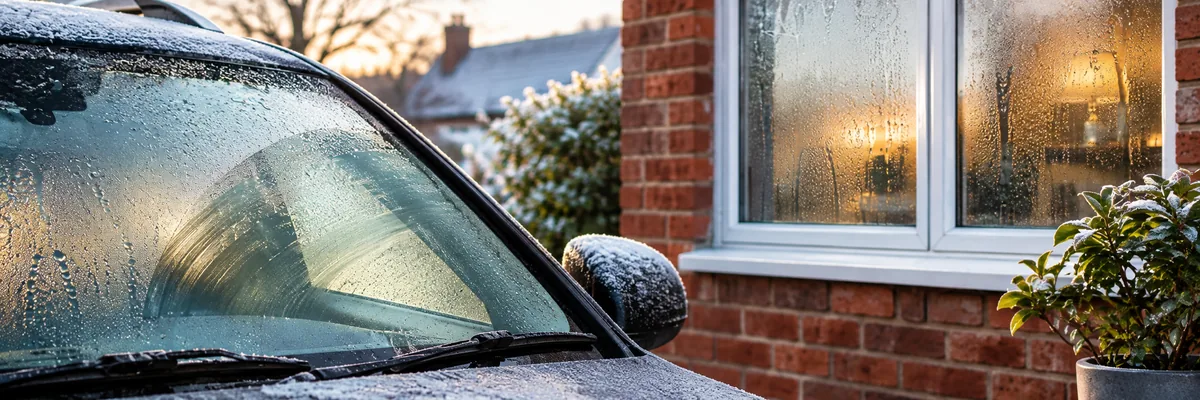
From fogged-up windscreens to moisture around your home, discover what causes condensation and the simple steps that can help keep it under control.
It's a cold winter morning. You're running a little late, you've got somewhere to be, and you climb into your car only to find the windscreen completely misted up.
Sound familiar?
Condensation is one of those frustrating problems that seems to appear everywhere when temperatures drop. You might notice it on your car windows before the morning commute, around your bedroom windows when you wake up, or collecting on bathroom walls after a hot shower.
A little moisture might not seem like a big deal, but when condensation becomes a regular problem, it can have consequences beyond a few inconvenient water droplets.
In the home, persistent moisture can encourage mould growth and damage decorations and furnishings. Inside a vehicle, misted windows can seriously affect visibility, while trapped moisture may also lead to unpleasant smells and deterioration of interior materials.
And it's a widespread issue.
According to the English Housing Survey 2024–25, published in July 2026, around 7.7 million households in England (31%) reported experiencing condensation, damp or mould.
Fortunately, there are plenty of practical ways to manage moisture, whether you're trying to clear your windscreen or prevent damp around your home.
Here's how to tackle condensation before it becomes a bigger problem.

Why Does Condensation Get Worse in Winter?
Condensation is caused by moisture in the air turning into liquid water when the air cools sufficiently.
It often happens when warm, humid air comes into contact with a colder surface.
During winter, windows, walls and vehicle windscreens can become much colder than the surrounding air. When moisture-laden air meets these surfaces, droplets begin to form.
That's why you might wake up to misted bedroom windows or find that the inside of your car windscreen has fogged up overnight.
The colder the surface and the more moisture present in the air, the more likely condensation becomes.
Where does the moisture come from?
More places than you might expect.
Inside our homes, everyday activities release water vapour into the air, including:
Cooking, particularly when boiling water or preparing food that generates steam.
Taking hot showers and baths.
Drying wet laundry indoors.
Breathing throughout the day and night.
Using appliances that release moisture into the surrounding air.
Condensation becomes more likely when that moisture cannot escape because of inadequate ventilation.
Cold walls, poorly insulated surfaces and rooms that aren't heated sufficiently can make the problem worse.
Inside vehicles, moisture may come from passengers' breath, wet clothing, soaked floor mats or water entering through damaged seals.
Although the causes are slightly different, the principle is the same: moisture accumulates and eventually settles on cold surfaces.
Why You Shouldn't Ignore Persistent Condensation
Seeing a little condensation on your window occasionally isn't necessarily a cause for concern.
But if you regularly find water dripping down the glass, collecting on windowsills or appearing on walls, it's worth investigating.
At home, moisture that remains on surfaces can create the conditions for mould to develop.
You might notice dark patches around window frames, behind furniture or in the corners of rooms where airflow is limited.
Over time, persistent dampness can damage paintwork, wallpaper, timber and soft furnishings.
Damp and mould can affect your health
Mould isn't simply an appearance issue.
According to UK Health Security Agency guidance, exposure to damp and mould can affect the lungs and airways and may cause irritation to the eyes and skin.
Children, older people and people with certain existing health conditions may be particularly vulnerable.
If mould appears, it's important to address the underlying source of moisture rather than repeatedly cleaning the visible patches.
Although cleaning can help remove surface mould, it may return if the conditions responsible remain unchanged.
Extensive or recurring mould, or damp associated with a suspected building defect, may require professional assessment.
Anyone concerned that damp or mould is affecting their health should seek medical advice.
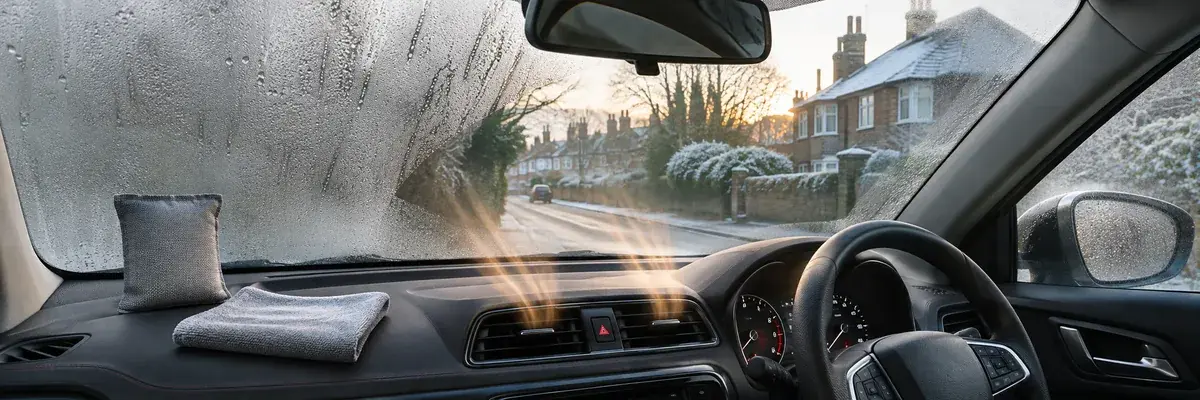
How to Stop Your Car Windows Misting Up
Let's start with one of the most familiar winter frustrations: getting into a car with windows you can barely see through.
Condensation forms inside the vehicle when moisture in the cabin comes into contact with cold glass.
And because cars are relatively enclosed spaces, humidity can build up surprisingly quickly.
Common causes of misted car windows
Wet clothing and umbrellas: Rainwater brought into your vehicle can gradually evaporate, increasing humidity.
Damp carpets and floor mats: Moisture can remain trapped in fabric and upholstery long after your journey has ended.
Passengers and pets: Breathing naturally releases water vapour into the cabin.
Limited airflow: Continually recirculating humid air can make condensation more difficult to clear.
Water leaks: Damaged door seals, window seals or blocked drainage channels may allow rainwater into the vehicle.
Poorly functioning ventilation: Problems with the heating, air-conditioning or ventilation system can make demisting less effective.
If your car regularly becomes heavily misted even when it hasn't been used, check for damp carpets, musty smells or signs of water entering the cabin.
Five Steps to Clear a Misted Windscreen
When your windscreen fogs up, it's tempting to wipe a small section clear and get moving.
However, your entire field of vision needs to be clear before you begin driving.
Here's a better approach.
1. Switch on the windscreen demister
Select your vehicle's demisting setting and direct airflow towards the windscreen.
Increase the fan speed to help move air across the glass.
2. Turn on the heating
Warm air can help clear condensation by warming the glass and increasing the air's capacity to hold moisture.
Use the temperature and fan controls to suit your vehicle's demisting system.
3. Use air conditioning if fitted
Air conditioning isn't just for summer.
It helps remove moisture from cabin air, making it particularly useful when trying to clear misted windows.
Using air conditioning alongside the heater can speed up demisting.
4. Switch off air recirculation
When recirculation is enabled, the same air continues moving around the cabin.
If that air is humid, condensation may take longer to clear.
Switching to the fresh-air setting generally helps remove moisture more effectively.
5. Use heated windows and wait until visibility is clear
If your vehicle has heated front or rear windows, activate them to help remove condensation.
Most importantly, don't begin driving until your windows and mirrors provide a clear view of the road.
Can You Be Fined for Driving with Misted Windows?
Yes, driving with an obscured view can result in enforcement action where relevant road traffic laws are breached.
The Highway Code, Rule 229, states that drivers must be able to see before setting off and should ensure their windows are thoroughly demisted.
This applies whether the obstruction is caused by condensation, frost or ice.
Being able to see through only a small section of the windscreen isn't sufficient.
You need a clear view of your surroundings, including other vehicles, cyclists, pedestrians and potential hazards.
Taking an extra minute to clear your windows properly is always preferable to setting off with restricted visibility.
Four Ways to Prevent Condensation Returning Inside Your Car
Clearing condensation is one thing. Stopping it from returning every morning is another.
A few simple habits can help keep your car interior drier throughout winter.
1. Remove Damp Items After Every Journey
Wet coats, umbrellas, towels and footwear can release moisture into the air for hours.
Where practical, take these items out of your vehicle rather than leaving them inside overnight.
If you've been driving in heavy rain, check whether your floor mats have become saturated.
2. Dry Your Carpets and Upholstery
Damp carpets can be a major contributor to recurring condensation.
Remove wet mats and allow them to dry completely.
If the carpet underneath remains damp, investigate whether water has entered through a leak.
Check the boot and spare-wheel well too, as moisture can sometimes collect in areas that aren't immediately visible.
3. Keep the Inside of Your Windows Clean
Dirt, grease and residue can make condensation more noticeable and more difficult to clear evenly.
Regularly clean the inside of your windows using an appropriate automotive glass cleaner.
Avoid products that leave a greasy film, which could affect visibility.
4. Investigate Leaks and Persistent Moisture
If your vehicle continues to mist up heavily despite removing wet items and using the ventilation correctly, there may be an underlying issue.
Inspect the door, window, boot and sunroof seals where fitted.
Look for watermarks, damp upholstery or unusual smells.
A suitable moisture absorber may help reduce humidity while your vehicle is parked, but it won't solve a leaking seal or faulty ventilation system.
Persistent problems should be investigated and repaired.
Seven Everyday Habits That Can Reduce Condensation at Home
Condensation doesn't stop at the front door.
Many of the same principles apply inside your home, where warm, moisture-filled air meets cold windows, walls and other surfaces.
The good news is that small changes to everyday routines can often help.
1. Give Moisture a Way to Escape
Ventilation is one of the most important ways to manage condensation.
Without adequate airflow, moisture from cooking, showering and other activities can remain trapped indoors.
Try opening windows briefly when it's safe and practical, particularly after activities that produce steam.
Keep trickle vents open and unobstructed where fitted, and use extractor fans in kitchens and bathrooms.
The Energy Saving Trust recommends allowing suitable extractor fans to continue running for at least 15 minutes after cooking or showering.
The aim is to remove excess moisture without unnecessarily cooling the entire home.
2. Keep Rooms Comfortably Warm
Cold surfaces make condensation more likely.
When rooms are inadequately heated, external walls and windows may become cold enough for moisture to collect on them.
Maintaining adequate warmth can help reduce this risk.
However, this doesn't mean you need to leave your heating switched on continuously.
Use your heating controls appropriately and try to avoid allowing parts of your home to become excessively cold.
Remember that heating alone won't resolve condensation if moisture cannot escape.
Adequate warmth and ventilation work together.
3. Reduce Steam When Cooking
Cooking can introduce a considerable amount of water vapour into your home.
Keep lids on saucepans when possible and use an extractor fan, particularly when boiling or simmering food.
If you have an externally vented extractor, make sure it's operating correctly.
You can also close the kitchen door when preparing particularly steamy meals to help prevent moisture spreading throughout the property.
4. Ventilate Bathrooms After Use
Bathrooms are another major source of indoor moisture.
After a hot shower, water can collect on mirrors, walls, tiles and windows.
Use an extractor fan, open a window where appropriate and remove excess water from wet surfaces.
Keeping the bathroom door closed while showering can also help prevent humid air spreading into other rooms.
If condensation remains a regular problem, check that your extractor fan is working effectively.
5. Take Care When Drying Laundry Indoors
Wet clothes release moisture as they dry.
During winter, drying outside isn't always practical, but indoor laundry can significantly increase humidity if ventilation is limited.
Where possible, use a suitable tumble dryer that either vents moisture outside or collects it.
If using a clothes airer, choose a well-ventilated room and consider running a dehumidifier.
Avoid leaving wet laundry in poorly ventilated spaces or directly against radiators.
6. Improve Airflow Behind Furniture
Mould sometimes develops in areas that aren't immediately visible.
Large wardrobes, sofas and other furniture placed tightly against cold external walls can prevent warm air circulating around the surface.
Leaving a small gap may help reduce moisture accumulation.
Check behind larger furniture occasionally, particularly in bedrooms and rooms with external walls.
If mould repeatedly returns in the same location, investigate whether there's an underlying insulation, ventilation or building problem.
7. Remove Water and Monitor Humidity
If condensation forms on windows, wipe the droplets away using a clean cloth or squeegee.
Dry the frames and windowsills too, particularly where moisture could damage timber or paintwork.
A digital hygrometer can help you monitor indoor humidity.
If moisture levels are consistently high, a dehumidifier may be useful, particularly when drying washing indoors.
Smaller moisture absorbers can help in cupboards and confined areas, but they're unlikely to resolve significant damp problems.
These products can help manage humidity, but they won't repair leaking plumbing or damaged building materials.
When Is Condensation a Sign of Something More Serious?
Not every damp patch is caused by condensation.
Sometimes, moisture appears because water is entering the building through a defect or leak.
It's important to recognise the difference because increasing ventilation alone won't solve these problems.
Warning signs include:
Damp patches that remain wet even when rooms are ventilated.
Water stains appearing on ceilings or around plumbing.
Wallpaper peeling or paint bubbling.
Mould repeatedly returning in the same area.
Dampness becoming worse after heavy rainfall.
Persistent musty smells.
Moisture spreading across previously dry walls.
These symptoms could indicate leaking pipes, damaged roofing, defective guttering or water entering through external walls.
If you're unsure of the cause, consider arranging an inspection by a suitably qualified professional.
Identifying the source early can help prevent more extensive damage.
Living in a Rented Property?
If you rent your home, report persistent damp, mould or suspected leaks to your landlord or managing agent promptly.
Keep photographs and a written record of the problem.
Although tenants can help control everyday moisture, landlords have responsibilities for addressing relevant property defects and damp and mould hazards.
Persistent mould shouldn't automatically be blamed on a property's occupants.
What About Condensation in Motorhomes?
Motorhomes can experience many of the same condensation problems as ordinary cars, but there's an additional challenge.
They also provide living accommodation.
Cooking, sleeping, washing and drying clothing inside a relatively compact space can generate considerable moisture.
During winter, that moisture may settle on cold windows, walls and panels, particularly when ventilation is limited.
If you're planning a winter motorhome trip, consider the following precautions.
Keep ventilation openings clear. Use suitable roof vents, windows and extractor fans where fitted, following your vehicle manufacturer's instructions.
Manage steam when cooking. Use appropriate ventilation and avoid allowing excessive moisture to build up inside.
Check bedding and furnishings. Mattresses, cushions and storage compartments may become damp where they sit against cold surfaces.
Protect water systems against freezing. Follow manufacturer guidance on insulating or draining water tanks and pipes when necessary.
Use heating safely. Ensure heating appliances are maintained and ventilation points remain unobstructed. Keep a suitable working carbon monoxide alarm.
Inspect the vehicle during storage. If your motorhome is unused for several weeks, check for dampness, leaks and signs of mould.
Never block permanent ventilation openings to retain heat, and don't use outdoor cooking appliances to warm the vehicle.
Does Insurance Cover Damage Caused by Condensation?
If condensation has caused damage to your home or vehicle, you may wonder whether the cost of repairs is covered by insurance.
The answer depends on the circumstances, what caused the damage and the terms of your particular policy.
Home Insurance and Damp Damage
Home insurance generally provides financial protection against specified insured events rather than gradual deterioration or routine maintenance.
Damage caused by ongoing condensation, wear and tear or inadequate maintenance is usually excluded from standard policies.
However, damp or mould can sometimes develop following a sudden event, such as an insured escape of water.
For example, moisture damage following an insured pipe leak may be treated differently from mould caused by a long-standing ventilation problem.
Whether any resulting damage is covered will depend on the cause and the policy's terms, conditions and exclusions.
Car Insurance and Moisture Damage
Motor insurance policies also contain exclusions for certain types of damage.
Gradual deterioration, wear and tear and corrosion are commonly excluded.
This means that damage developing slowly because of trapped moisture or a long-standing leak may not be covered in the same way as damage caused by a sudden insured event.
The precise position will depend on the circumstances and the wording of your policy.
What Should You Do If You Discover Damage?
If you believe moisture damage has resulted from an insured event, contact your insurer promptly.
Take photographs of the affected areas, keep relevant evidence and explain when you first noticed the problem.
Follow your insurer's guidance about emergency repairs and preventing further damage.
Even where damage isn't covered by insurance, investigating and addressing its cause early can help prevent the situation becoming worse.
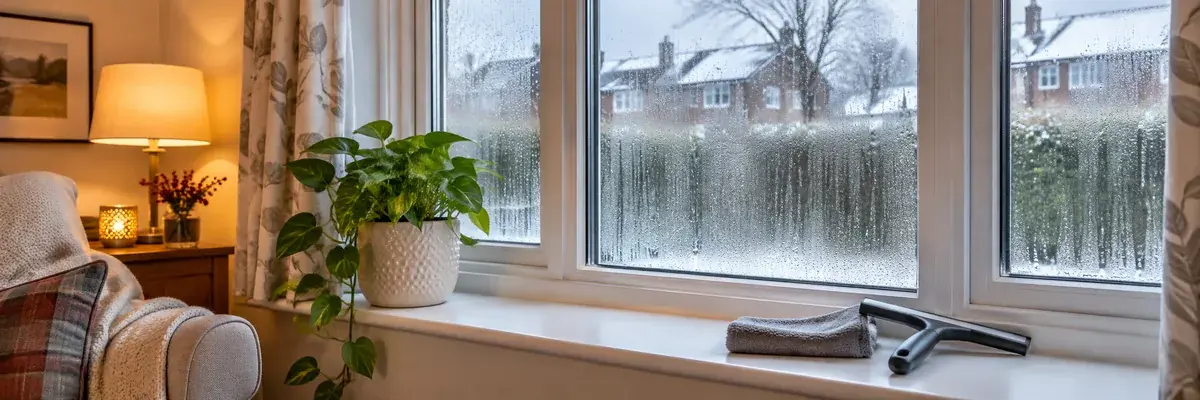
Clear Windows, Drier Homes and Safer Winter Journeys
Condensation might be a common winter frustration, but there are plenty of ways to reduce its impact.
From using your car's demister correctly and removing damp items from the cabin to improving ventilation and managing moisture at home, small changes can make a noticeable difference.
And if condensation keeps returning, don't ignore it.
Persistent moisture could indicate a leak, poor ventilation or another problem that needs attention.
At Motor-Vision Insurance, we believe keeping things straightforward makes life easier.
Whether you're protecting your everyday car, motorhome or home, understanding your insurance cover and keeping on top of basic maintenance can help you prepare for the colder months.
So, keep your windows clear, check your vehicle before setting off and take a few simple steps to make winter a little less troublesome.
Sources and Further Reading
Condensation, damp and mould
GOV.UK – English Housing Survey 2024–25: Perceptions and impacts of housing quality
GOV.UK – Understanding and addressing the health risks of damp and mould
Energy Saving Trust – How to get rid of damp and condensation
Driving safety and insurance
Information reviewed for November 2026. Insurance cover is subject to individual policy terms, conditions and exclusions. Vehicle maintenance requirements vary by manufacturer and model.
