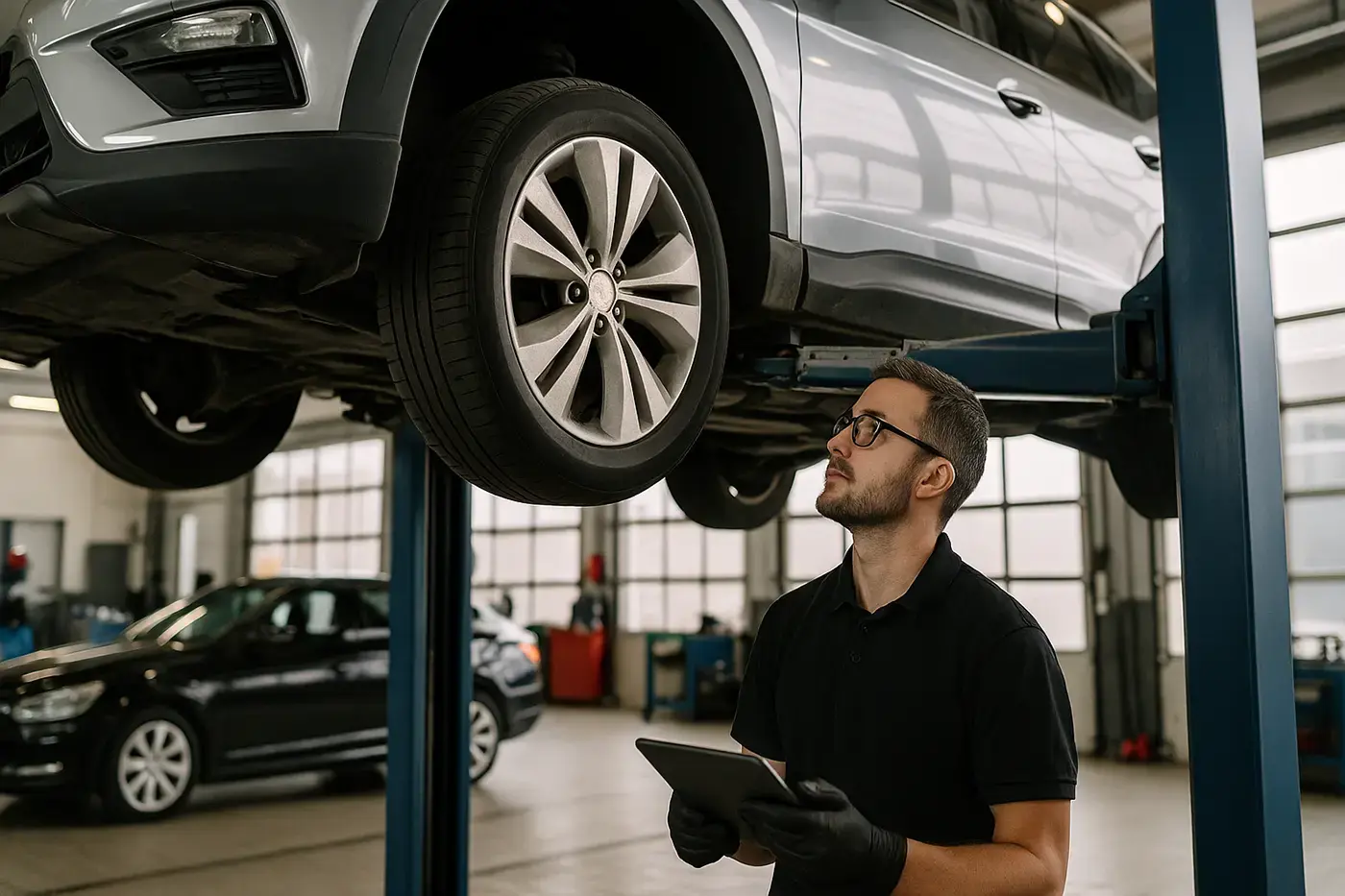
The MOT system plays an essential role in UK road safety but MOT prices have stayed exactly the same for well over a decade. Meanwhile, the cost of running a compliant testing centre (equipment, staffing, insurance and energy) has continued to climb. To understand whether the current fee structure still works for both motorists and garages, the Department for Transport has launched a consultation to reassess the system.
Current fee facts
The maximum MOT charges were last updated in 2010. Since then, the cap has remained frozen at:
£29.65 for a motorcycle
£37.80 for a motorcycle with a sidecar
£54.85 for standard cars, classic cars, vans, motorhomes and campervans (all Class 4 vehicles)
In real terms, those fees are worth far less today than when they were introduced, yet garages continue to follow strict DVSA standards while absorbing rising overheads.
For the full breakdown of the current MOT pricing, click here.
Why the review is taking place
Independent garages are a crucial part of the UK’s MOT network. They keep communities—large and small—running safely. However, many have voiced that the long-standing price cap no longer reflects the true cost of carrying out an MOT to the required standard.
This industry feedback, along with wider discussions across the sector, has led the Government to consider whether the existing model needs updating.
Areas under consideration
The review aims to find the point where:
MOTs remain affordable for drivers
Garages stay financially viable and able to invest in equipment and training
The UK continues to uphold high DVSA safety standards
Any changes will need to protect all three areas.
While large chains sometimes use discounted MOTs to attract service bookings, smaller garages tend to have less pricing flexibility. Any future change is expected to take that into account.
What could happen next?
Nothing is confirmed, but current thinking suggests that any adjustments:
Would be incremental, not sudden
Would focus on future sustainability, not dramatic price jumps
Could help bring more consistency between independent garages and large national chains
Will ensure the MOT remains a thorough, safety-first inspection
The goal is long-term stability—not a major overhaul.
What drivers need to know for now
For all motorists, everything stays exactly the same.
The current cap is still in place, and MOTs continue to be mandatory once your vehicle reaches the eligible age. You should book and complete your MOT as normal.
Why the MOT matters
For the price of the test, drivers receive a regulated inspection carried out by trained staff using certified equipment. The MOT helps spot issues early—preventing breakdowns, avoiding pricey repairs and improving road safety.
Even with rising living costs, the MOT remains one of the best-value annual safety checks you can buy.
This subject is evolving and is currently in consultation. Drivers should follow official updates and continue to book MOTs as normal. For confirmed policy details, the Government’s official resource remains the authority: https://www.gov.uk/getting-an-mot

